

The Trustline Standard
Four checks a carrier passes before it gets your car.
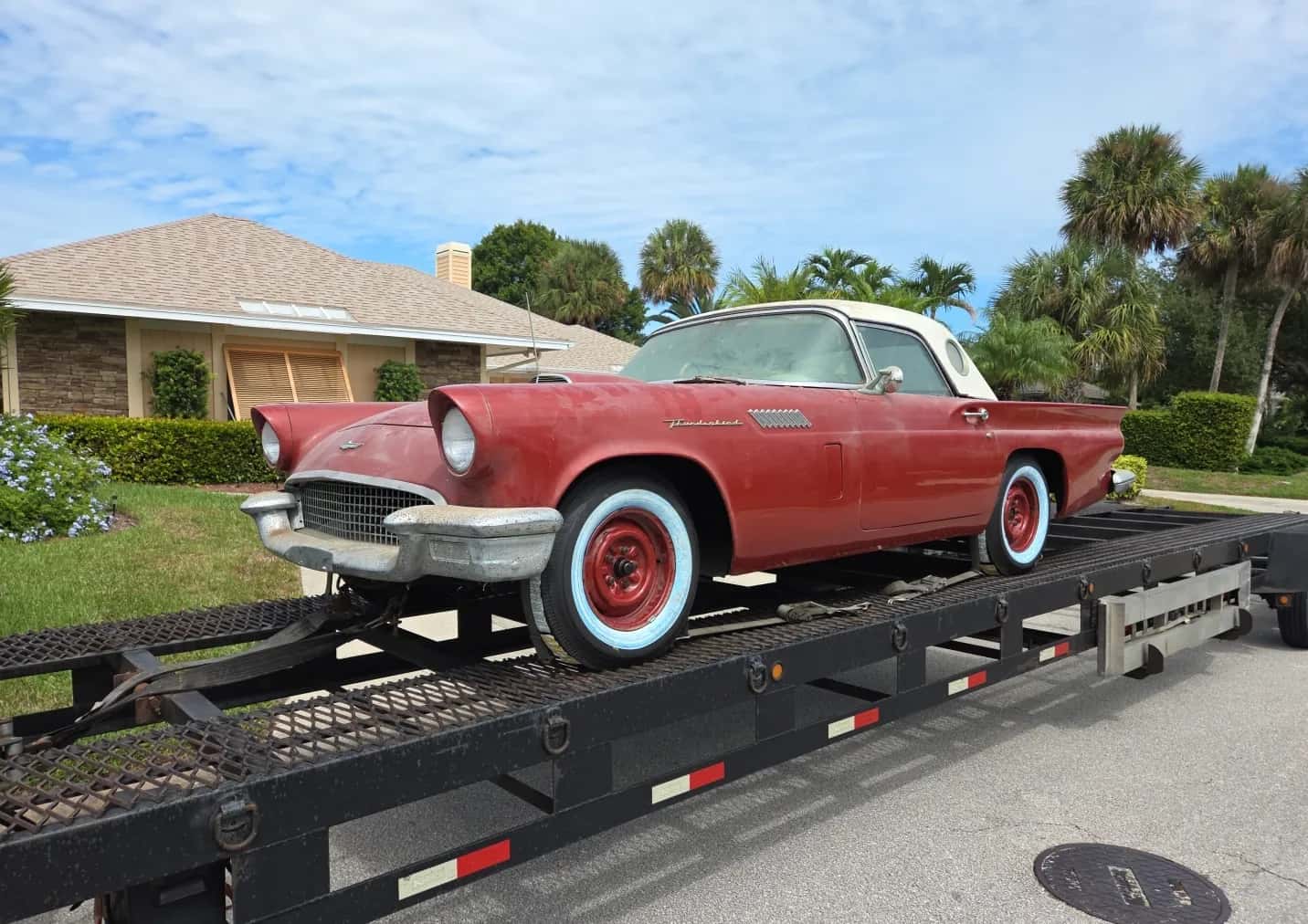
Before any car is loaded
4 checks, every carrier, every order
The four checks
What we check, and what it means for your car.
- 1
Dispatch history
How long the carrier has hauled cars, how many loads it has moved, and whether shippers have flagged it.
What it means for you. A carrier with a long, clean record has shown up for other people's cars many times before yours.
- 2
FMCSA operating authority and safety record
Active federal authority to haul vehicles for hire across state lines, no out-of-service order, and the safety record of its trucks and drivers.
What it means for you. Without authority, a carrier cannot legally move your car between states. The safety record shows how it drives once it can.
- 3
Delivery record
How its past loads went, whether it picked up and delivered on the dates agreed, and what shippers said afterwards.
What it means for you. A pickup window is only as good as the carrier holding it.
- 4
A current certificate of cargo insurance
A cargo insurance certificate in the carrier's name and in date, checked before your car is loaded.
What it means for you. Cargo insurance is what pays a damage claim. Under the transport agreement, carrier cargo cover runs from $100,000 to $250,000 per load.
The four checks, in full
Dispatch history
Every carrier that hauls cars builds a history of how long it has been running, how many loads it has moved, and what shippers said when those loads arrived. We read that history before we assign the carrier to your order.
You would feel its absence on pickup day, waiting at the curb for a truck that does not come, calling a number that goes to voicemail. A carrier with years of loads behind it and no shipper flags has already been tested by other people's cars. A new or flagged carrier has not, and it does not get yours.
FMCSA operating authority and safety record
To carry a car for hire across state lines, a carrier needs active operating authority from the Federal Motor Carrier Safety Administration. We confirm that authority is active and that no out-of-service order stands against the carrier, then review the safety record of its trucks and drivers.
Authority is the legal permission to move your car. The safety record is how the carrier has used that permission on the road. Without both, your car could end up on a truck that should not be on the highway, so a carrier missing either one is passed over.
Delivery record
The delivery record shows how a carrier's past loads actually went, including whether it picked up and delivered on the dates it agreed to and what shippers reported afterwards.
This is the check behind your pickup window. Dates shift for weather and traffic, and when they do, you hear the same day. A carrier that keeps missing its own dates is a different problem, and the delivery record is where that shows up first.
A current certificate of cargo insurance
Cargo insurance is the policy that pays if a car is damaged on the truck. We check that the carrier's certificate is current and in its own name before your car is loaded, because cover that has lapsed is no help after the fact.
The transport agreement sets carrier cargo cover at $100,000 to $250,000 per load. Policies can carry exclusions and deductibles, so some owners add their own cover for a valuable car. If you ever need to claim, we give you the carrier's registration and insurance details.
What fails a carrier
Fail any one, and the carrier does not get your car.
- Operating authority that is not active
- An out-of-service order
- No current cargo insurance certificate
- A safety or delivery record that leaves us in doubt
- Shipper flags in its dispatch history
When a carrier fails, your car goes to the next carrier on the lane, and that one is checked too.
Checked on the day of assignment
Passing last month does not count. Every carrier is checked again on the day it is assigned to your order, so the checks describe the carrier you actually get.
The carrier is an independent company, responsible for your car while it is on the truck. That is why the driver inspects the car with you at both ends, and why the photos and bill of lading stay on your order page.
How the whole order worksWhat you see
Once a carrier is assigned, you know who is coming.
We run the checks, and your order page names who passed them. You see the carrier company, the driver's name and phone, and the pickup window they give, and an email tells you.
- The carrier company and the driver, by name
- The driver's phone, to call or text directly
- The pickup window the carrier gives
Carrier Card
On your order page once a carrier is assigned
- Carrier
- Company name
- Driver
- First and last name
- Driver's phone
- Call or text directly
- Pickup
- The window the carrier gives
A carrier is assigned to your order. The Carrier Card is on your order page.
Questions
Questions about carriers and the checks.
More in the help center.
Who actually moves my car?
An independent, FMCSA-licensed carrier that passed all four checks. Trustline Carriers is a licensed broker and does not own trucks or employ drivers. We choose the carrier and stay on the order with you. The carrier is responsible for your car on the truck.
When are the checks made?
On the day we assign the carrier to your order. A carrier that passed last month is checked again before it gets your car.
What if a carrier fails a check?
It does not get the load. Your car goes to the next carrier on the lane, which is checked the same way.
What do I see about the carrier?
Once a carrier is assigned, your order page shows the carrier company, the driver's name and the driver's phone, and an email tells you. If you need to claim, we give you the carrier's registration and insurance details.
Does the Standard mean nothing can go wrong?
No. The checks show a carrier is licensed, insured and has a good record on the day it is assigned. Weather and the road are another matter, so the driver inspects the car with you at both ends and the photos and bill of lading stay on your order page.
How much cargo insurance does a carrier carry?
Between $100,000 and $250,000 per load under the transport agreement, plus at least $750,000 of public liability and property damage cover. Policies can have exclusions and deductibles, so you may want your own cover too.
See your price. Then decide.
Enter the route, the car and the first day it can go. In about a minute you see your price, open and enclosed, with a realistic pickup window.