

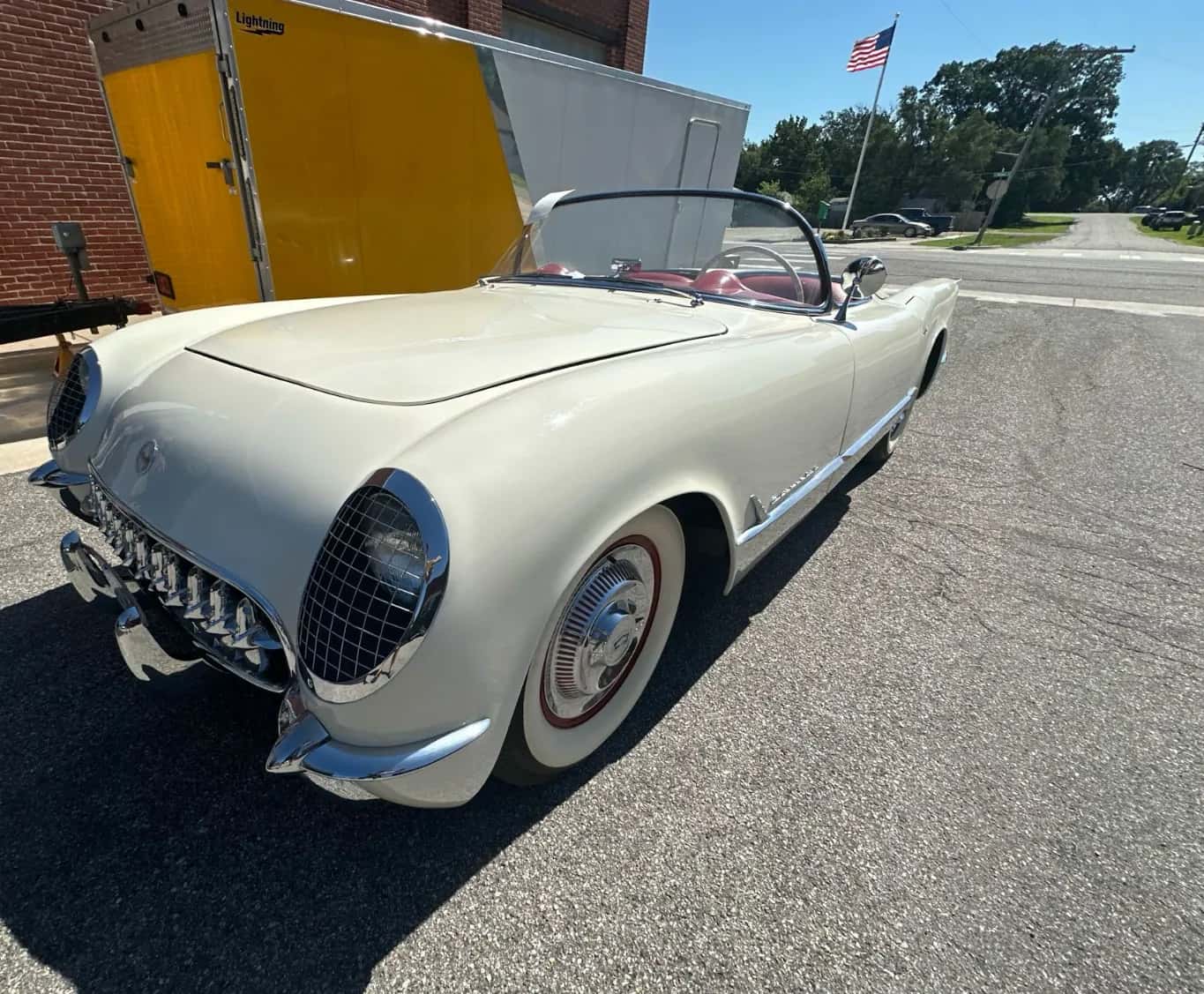
The full guide
A guide to shipping a classic car
A classic has quirks, value and history a daily driver does not. Here is how to choose the trailer, protect the car's value, prepare an older car for loading, and get it to a show or a new owner on time.
Choosing the trailer
Most classics travel enclosed, and the enclosed car transport page explains the trailers in full. For a classic, three choices matter most.
Enclosed or open. Original paint, chrome, a fresh restoration, a soft top or a car headed for judging all belong under cover. A driver-grade classic, one you take out in the rain and park at the store, can ride open if you are comfortable with the road dust that comes with it. The price screen shows both, so you can choose with the numbers in front of you.
Lift gate or ramps. Many older cars sit low, carry long overhangs or have exhaust and trim close to the ground. A hydraulic lift gate raises the car level and keeps it off a steep ramp entirely, so ask for one when you book if the car is low or long.
Single-car or shared. A one-car or two-car enclosed trailer gives your car more attention and can reach tighter streets, but there are fewer of them, so it can take longer to assign and cost more. A larger enclosed trailer shares the trip with a few other cars.
Soft-sided or hard-sided matters less for most classics than how the car is loaded. For an especially rare or valuable car, a hard-sided trailer adds protection against impact.
Tell your coordinator what you want, and the carrier is chosen around it.
Enclosed car transportInsurance and value
A classic's value is not in a price guide. It is in its condition, its originality and its history, and the shipping plan should protect all three.
Start by telling us what the car is worth when you book. Under the transport agreement, carrier cargo cover runs from $100,000 to $250,000 per load, and that limit is shared by every car on the trailer. Knowing the value lets your coordinator look for a carrier whose cargo limit fits it.
Then call your own insurer. Many classic car policies are written on agreed value, a figure you and the insurer settle in advance, rather than what a standard policy would pay after depreciation. Many of these policies also cover the car in transit, but terms differ, so ask before the move and get the answer in writing if you can. The agreement itself notes that carrier insurance can have exclusions and gaps, and suggests checking your own cover.
Document the car's condition yourself as well. The driver photographs it at pickup and records its condition on the bill of lading, and those photos go on your order page. Add your own in good light, covering each panel, the chrome, the wheels, the interior, the engine bay and the underside if you can. Keep any recent appraisal and restoration records with them.
If something does happen, that record is your evidence. Note any damage on the bill of lading at delivery, before the driver leaves, then send the claim in writing within 15 days. We give you the carrier's registration and insurance details to make it.
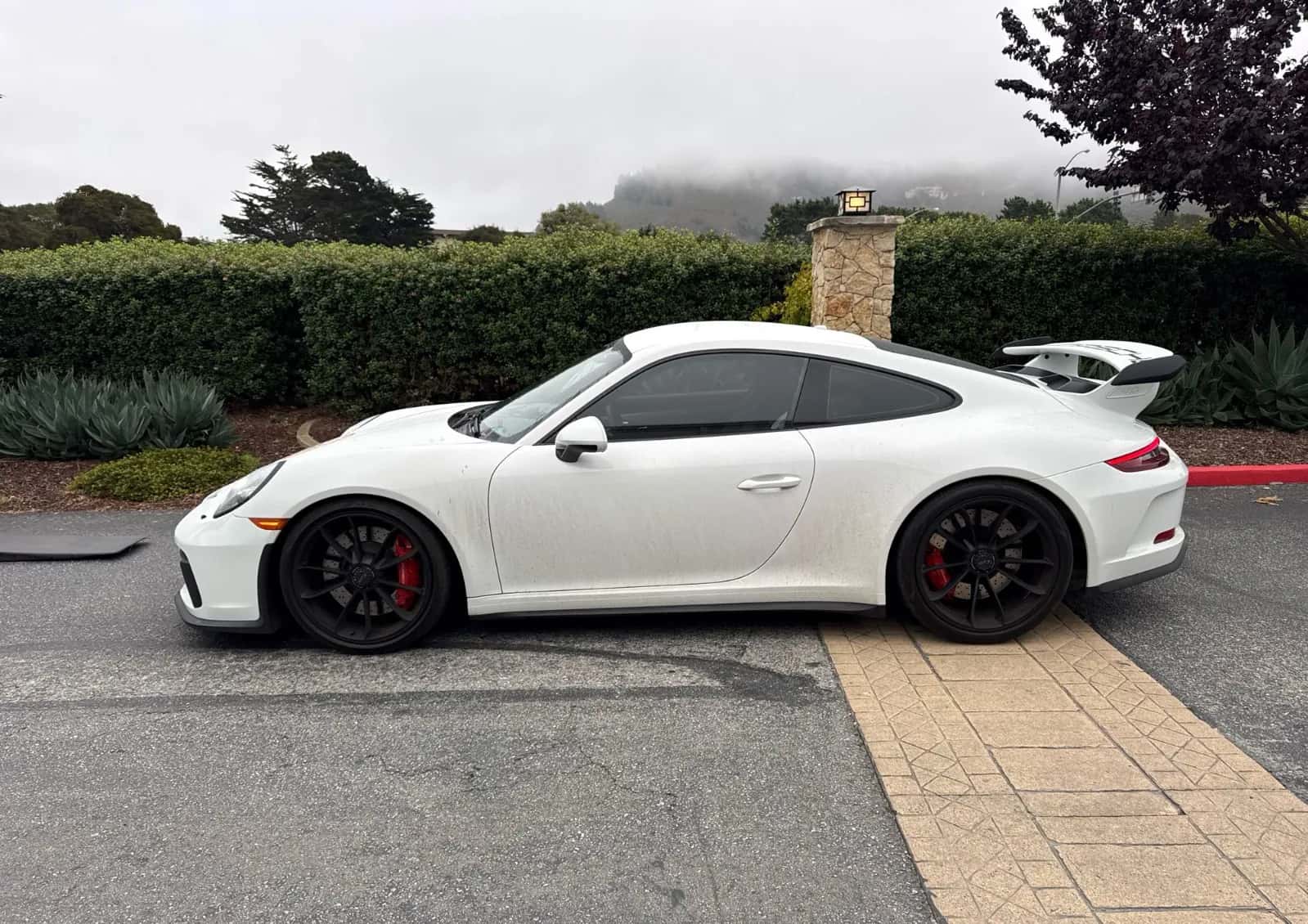
Preparing an older car
An older car often has habits only its owner knows. The driver will load and unload it, so those habits need to be on paper.
Starting notes. Write a short note for the driver on how to set the choke, whether it needs a pump of the pedal, where any hidden kill switch is and how long it can idle. Tape it to the dash and tell your coordinator too.
Battery. A battery that runs flat on a long trip can strand a car at the delivery address. Charge it fully, and if the car drains its battery when parked, show the driver how to disconnect it.
Fuel. Leave no more than half a tank, as the agreement requires. A quarter is plenty for loading and unloading.
Leaks. An older car that drips on a driveway will drip on a trailer, and onto any car below it. Fix what you can and tell us about the rest, since under the agreement a leaking car can face extra fees or be refused.
Loose parts. Secure or remove anything that could come loose in transit, such as a hood ornament, a loose mirror or trim. Close a convertible top and make sure it latches firmly.
Personal items. Take out anything not fixed to the car, apart from up to 200 lb in the trunk. Spare parts and manuals travel with you.
Shows, auctions and sales
A car going to a show, a concours or an auction has a date it cannot miss, and a venue with its own rules for arrivals.
When you book, tell us the venue's name and address, the delivery window, and the name and phone of the contact on site. Many events set specific times for unloading, sometimes through a separate entrance, and some require an appointment. Send us the event's transport instructions if it has them.
Build in margin. Pick a first pickup day that gets the car there a few days early, or add the guaranteed pickup date option if the timing is tight.
When the car is sold, at the event or privately, the delivery may go to the new owner rather than back to you. Tell us who will receive it and where, with the buyer's name and phone. The buyer, or someone they name, does the delivery walk-around and signs the bill of lading.
For a car leaving an auction, the auction pickup page explains release paperwork and storage deadlines.
Auction pickup