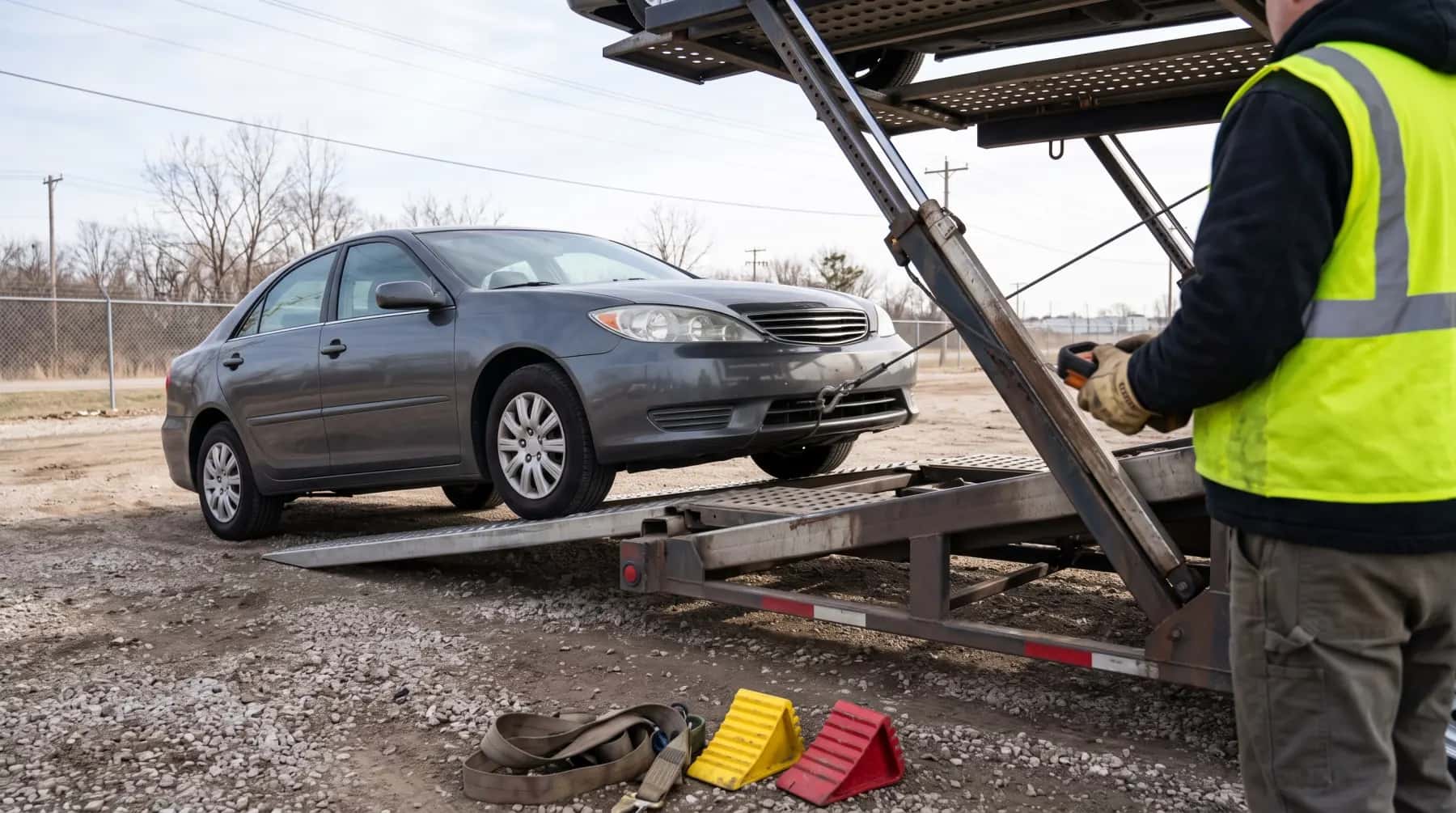
While your car is on the truck, the carrier's cargo insurance is what covers it. Knowing what it covers, and what it does not, helps you decide whether to add anything of your own.
Cargo insurance, the cover for your car
Every carrier we assign carries cargo insurance for the vehicles on its truck. Under our agreement, that cover ranges from $100,000 to $250,000 per load.
Per load is the phrase to notice. An open carrier can be carrying 8 or 9 cars at once, and the limit covers all of them together, not each one. For a trailer of everyday cars that is plenty. For a trailer with two or three expensive cars on it, the shared limit is closer to the value on board. That is one reason high-value cars usually go enclosed, where the trailer carries fewer cars and the carrier's cover is often higher.
The cover applies to damage caused in transport, from the moment the car is loaded to the moment it is unloaded. The claim is made against the carrier and its insurer, and the damage claim guide covers how.
Liability cover is something else
Carriers also hold public liability and property damage cover, for harm the truck does to other people and their property. Under our agreement the minimum is $750,000.
That figure often appears in advertising because it is the biggest number on the certificate. It does not protect your car. If the truck hits a fence, liability pays for the fence. If your car is scratched on the trailer, cargo cover pays for your car. When you compare carriers or read a certificate, the cargo line is the one that matters to you.
What is usually left out
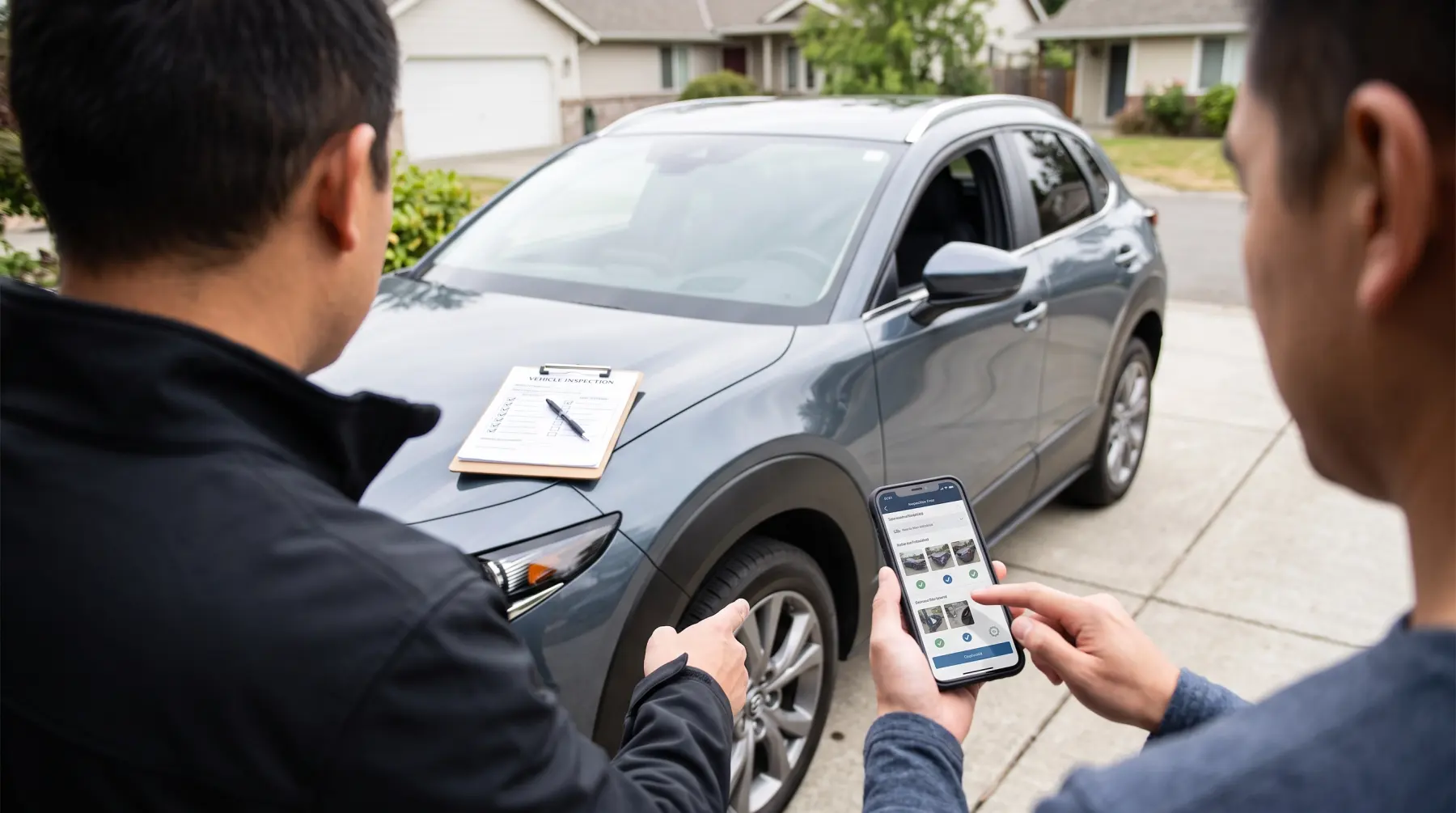
Damage that was there before pickup is not covered, which is why the inspection and photos at pickup matter so much. Under our agreement, the carrier is also not liable for damage caused by personal items loaded in the car, and for Hawaii and Alaska anything left in the car travels at your own risk.
Beyond the agreement, carrier policies commonly carry exclusions and deductibles of their own. The usual ones are personal belongings in the car, mechanical failure that transport did not cause, and acts of nature such as hail. The deductible is the carrier's to pay, not yours. Each policy is different, which is why we check the certificate for every carrier.
Checking the certificate
We check a current insurance certificate for every carrier on the day it is assigned to your car. It is one of the four checks in the Trustline Standard, with dispatch history, federal authority and safety, and delivery record.
The certificate shows the insurer, the policy number, the dates it runs between and the cargo and liability limits. We hold it on file. If you ever need to claim, we give you the carrier's name, USDOT and MC numbers and the insurance information, and help you put the claim together.
Your own policy
Call your own insurer before the car ships and ask two questions. Does my comprehensive cover apply while the car is being transported by a carrier, and does it apply in the state it is going to. Some personal auto policies cover a car in transport, some do not, and the agreement advises you to check.
For a car worth more than an everyday policy would pay out, ask about gap or agreed-value cover for the trip, and consider enclosed transport, where fewer cars share the carrier's limit. For most cars, the carrier's cargo cover and a good set of pickup photos are enough.
 Trustline CarriersLicensed broker · MC 1661496