Damage in transport is uncommon, and when it happens the evidence decides the claim. The inspection at pickup and at delivery, the photos and the bill of lading are that evidence. This guide covers what to do at each step.
At pickup, record the car
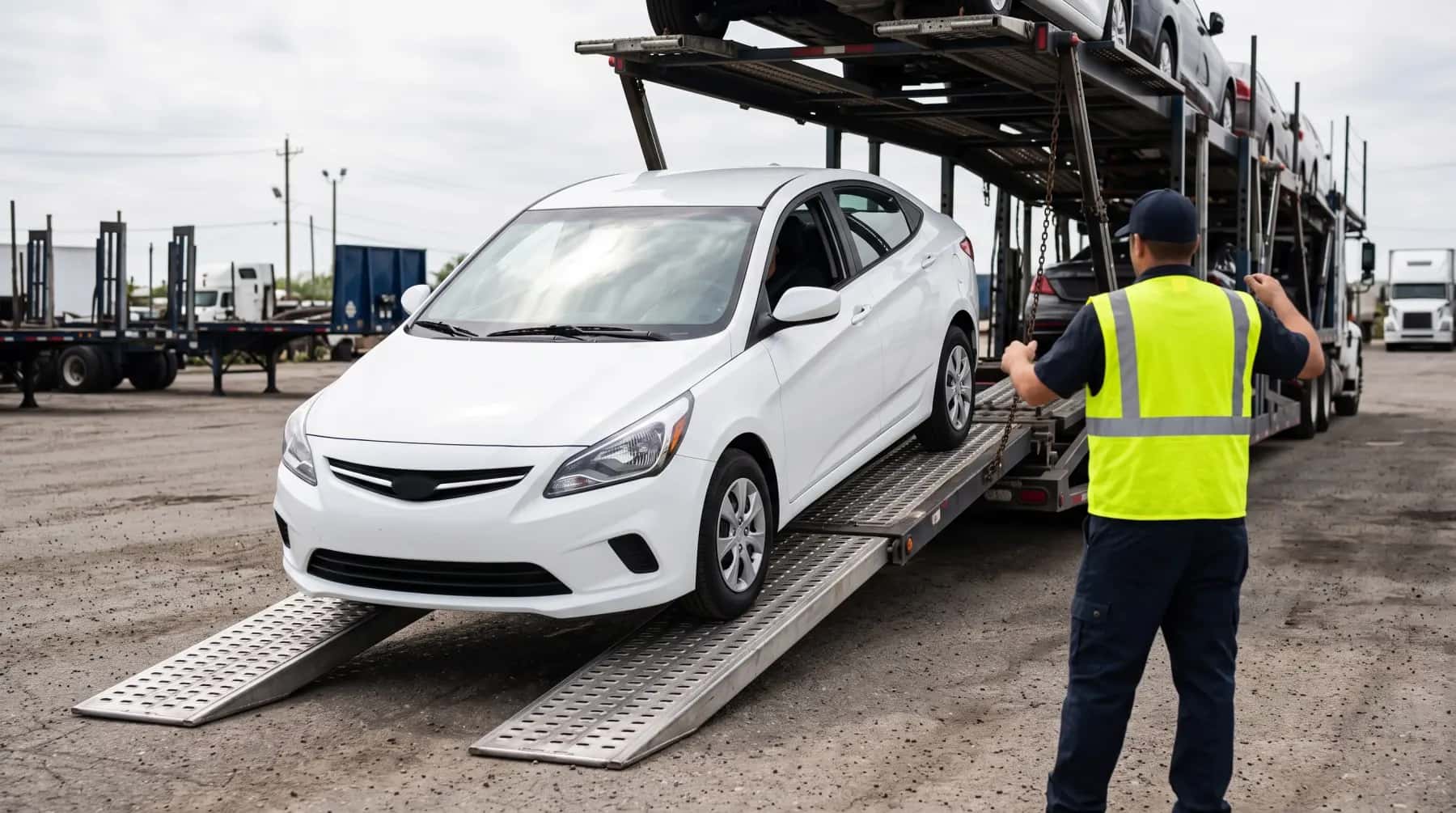
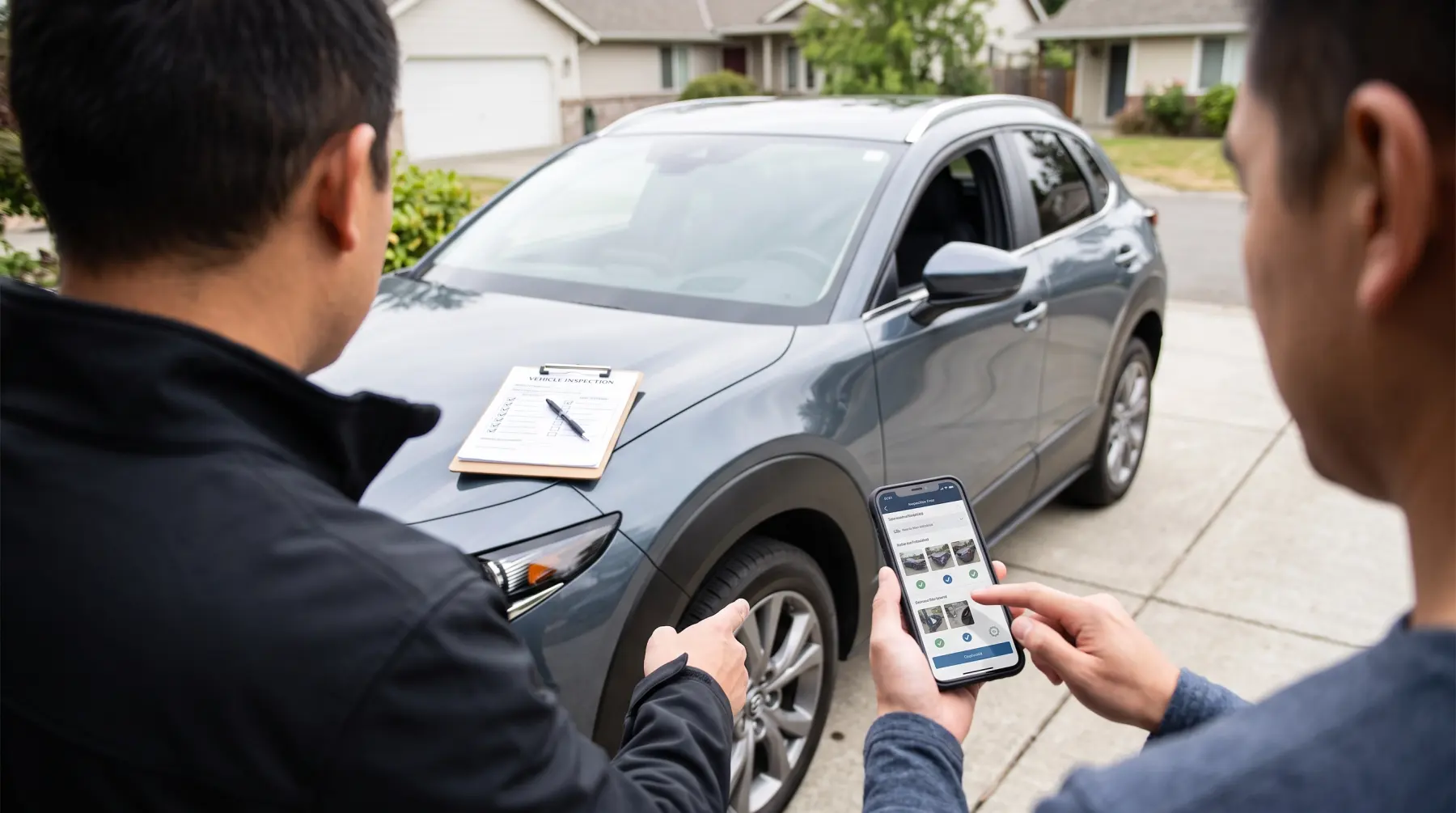
The driver inspects the car with you and records its condition on the bill of lading, which is the condition report and the receipt in one. Every existing scratch, chip and dent goes on it. Read it before you sign, and if the driver missed something, ask for it to be added.
Take your own photos too, in daylight, all the way round. Each panel, each wheel, the roof, the glass, the front and rear bumpers from low down, the interior, and the odometer. Twenty photos take 5 minutes. Keep them with the date on, which your phone does on its own.
Keep your copy of the pickup bill of lading. The driver's photos and the signed report also go on your order page, so if you lose the paper you still have the record.
At delivery, before you sign
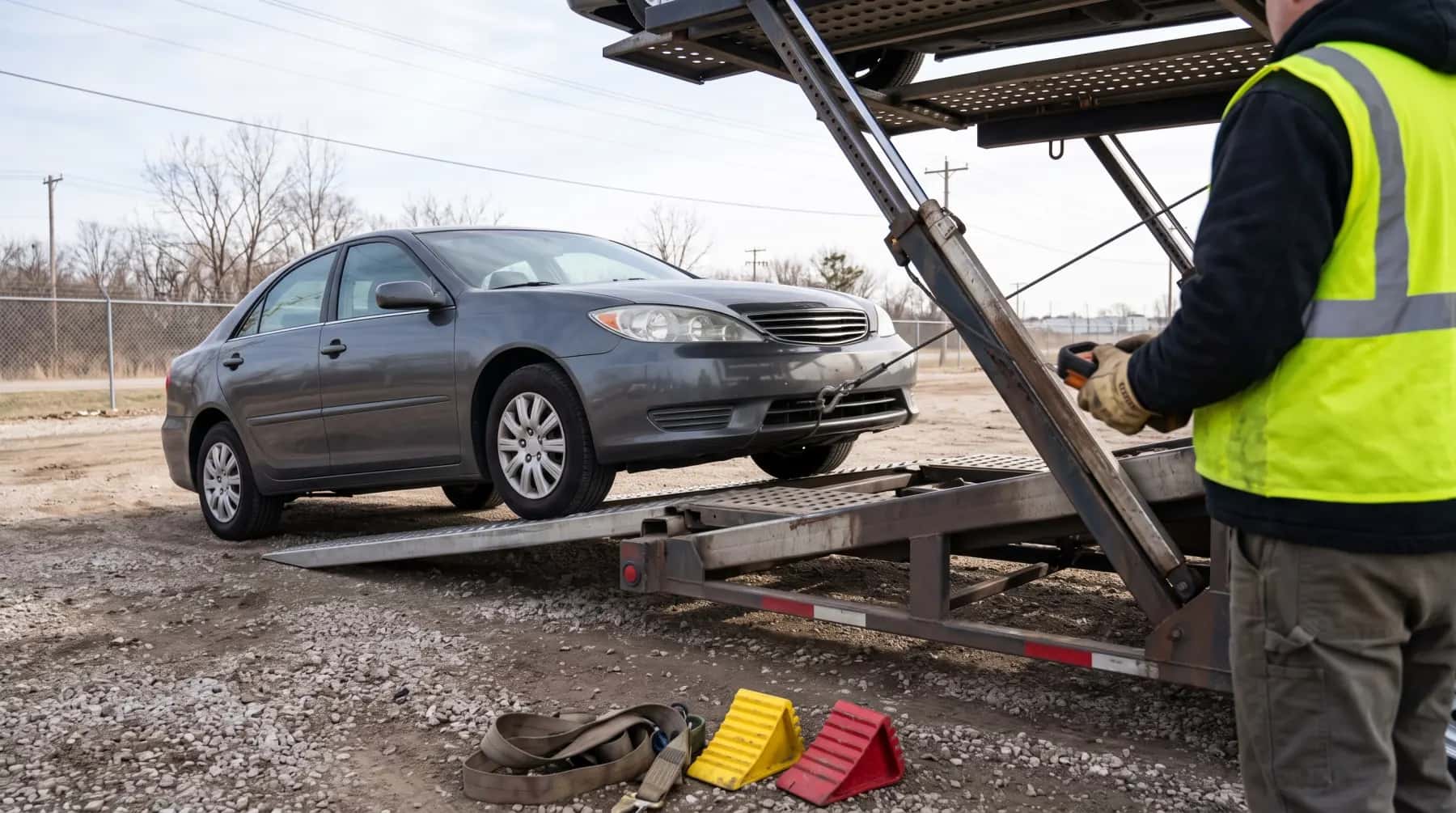
Walk around the car with the driver before you sign anything. Do it in good light. If the truck arrives after dark, use the brightest spot you have and a torch, and take your time. Compare what you see with your pickup photos.
Under the agreement, any damage not noted on the bill of lading at delivery, before the driver leaves, waives the claim and counts as proof that the car arrived as it was collected. That is the rule that decides most claims, so it is worth saying plainly. Note it before you sign, or there is no claim.
- Check each panel against your pickup photos.
- If you find new damage, point it out to the driver and write it on the bill of lading, with where it is and what it looks like.
- Photograph it before the driver leaves, close up and from a step back so the location is clear.
- Sign the bill of lading with the damage noted. Signing does not accept the damage. It records it.
If the driver will not note the damage, do not sign a clean report. Call us while the truck is still there and we will talk to the carrier.
Filing the claim
Claims go in writing within 15 days of delivery. The claim is made against the carrier and its insurer, because the carrier is responsible for the car while it is on the truck. Trustline is the broker and is not a party to the claim, but we give you the carrier's name, USDOT and MC numbers and insurance information, and we help you put the claim together.
A complete claim has four things in it.
- The bill of lading from delivery, with the damage noted and both signatures on it.
- The bill of lading from pickup, showing the car did not have that damage then.
- Photos from both ends, with their dates.
- A repair estimate from a body shop, on the shop's letterhead.
Send it to the carrier's insurer, with a copy to the carrier, and keep a copy yourself. Your coordinator can tell you where to send it and check the file before it goes.
What happens next
The carrier's insurer reviews the claim and the evidence, and may ask for a second estimate or send an adjuster to look at the car. Photos from both ends and damage noted at delivery make this straightforward. A claim with a clean bill of lading and photos taken a week later is the hard kind.
Carrier policies can carry a deductible, which the carrier pays, not you. If a claim stalls, your own auto insurer may pay the repair and recover the money from the carrier's insurer, so it is worth calling them too. The insurance guide explains what cargo cover includes and what it leaves out.
 Trustline CarriersLicensed broker · MC 1661496