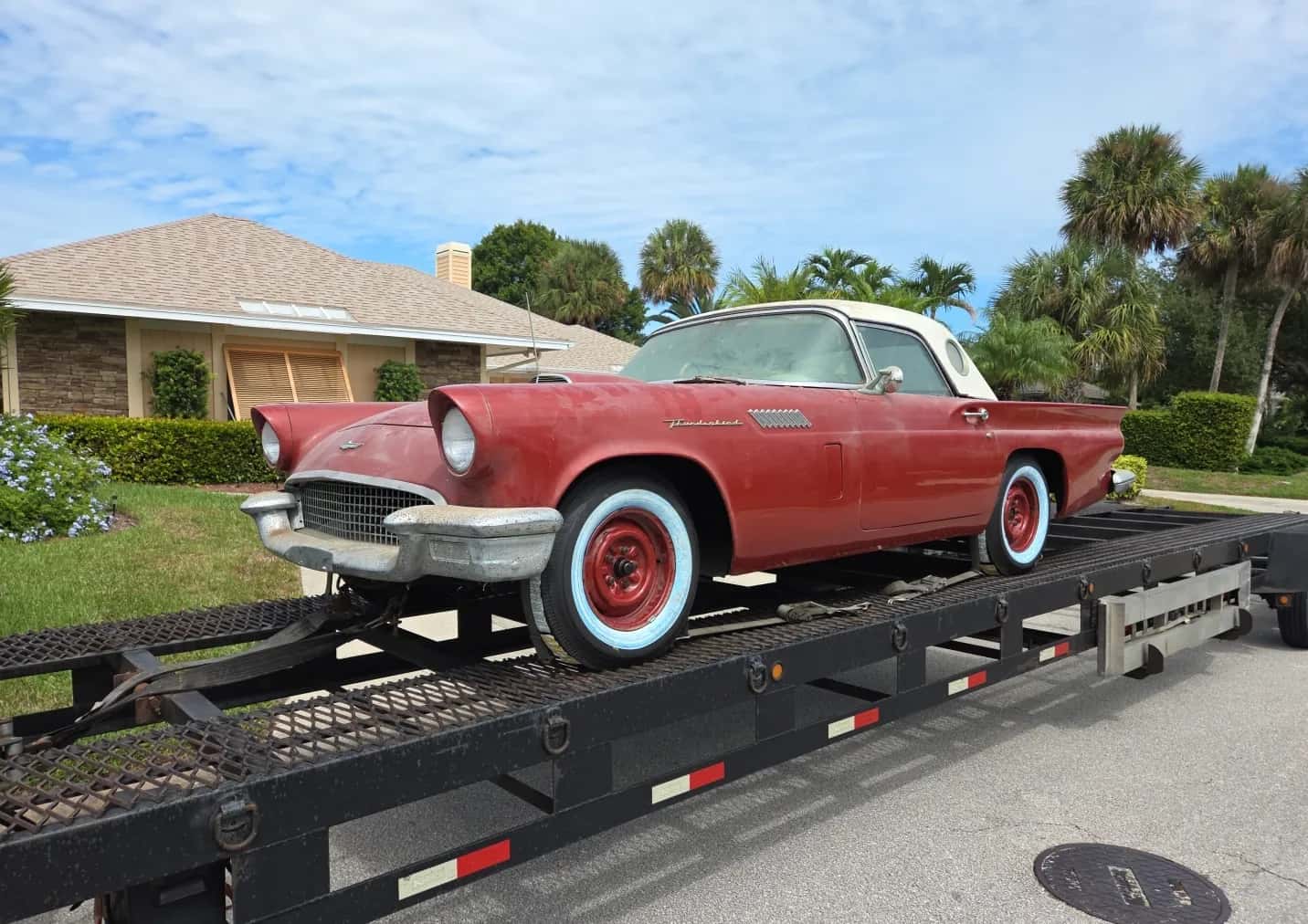
Dispatch is the work of matching your car with a carrier. It usually takes 1 to 5 days on most lanes. You do not have to chase it. Each step sends you an email.
Your car is offered to carriers
Once you book, we offer the car to the carriers who run your lane, with the route, the first day it can go, what the car is, whether it runs, and what the carrier is paid. Carriers planning that week's route see it alongside the other cars on the lane and take the ones that fit their trailer and their stops.
This is why a flexible first day helps. A carrier passing through on Wednesday can take a car that is ready from Monday. It cannot take one that is ready only on Friday.
The carrier is checked
Before a carrier is assigned, it passes the Trustline Standard: dispatch history, federal authority and safety, delivery record, and a current insurance certificate. The checks happen on the day of assignment, not once a year, because a carrier's authority or insurance can lapse between loads. A carrier that fails does not get the load, and the car goes to the next one on the lane.
A carrier is assigned
You get an email, and your order page shows the carrier company, the driver's name and the driver's phone. The carrier confirms the pickup day inside your window, and that goes on the order page too. This is also when the reservation is charged to the card you saved at booking. Until a carrier is assigned, nothing is charged.
Pickup day
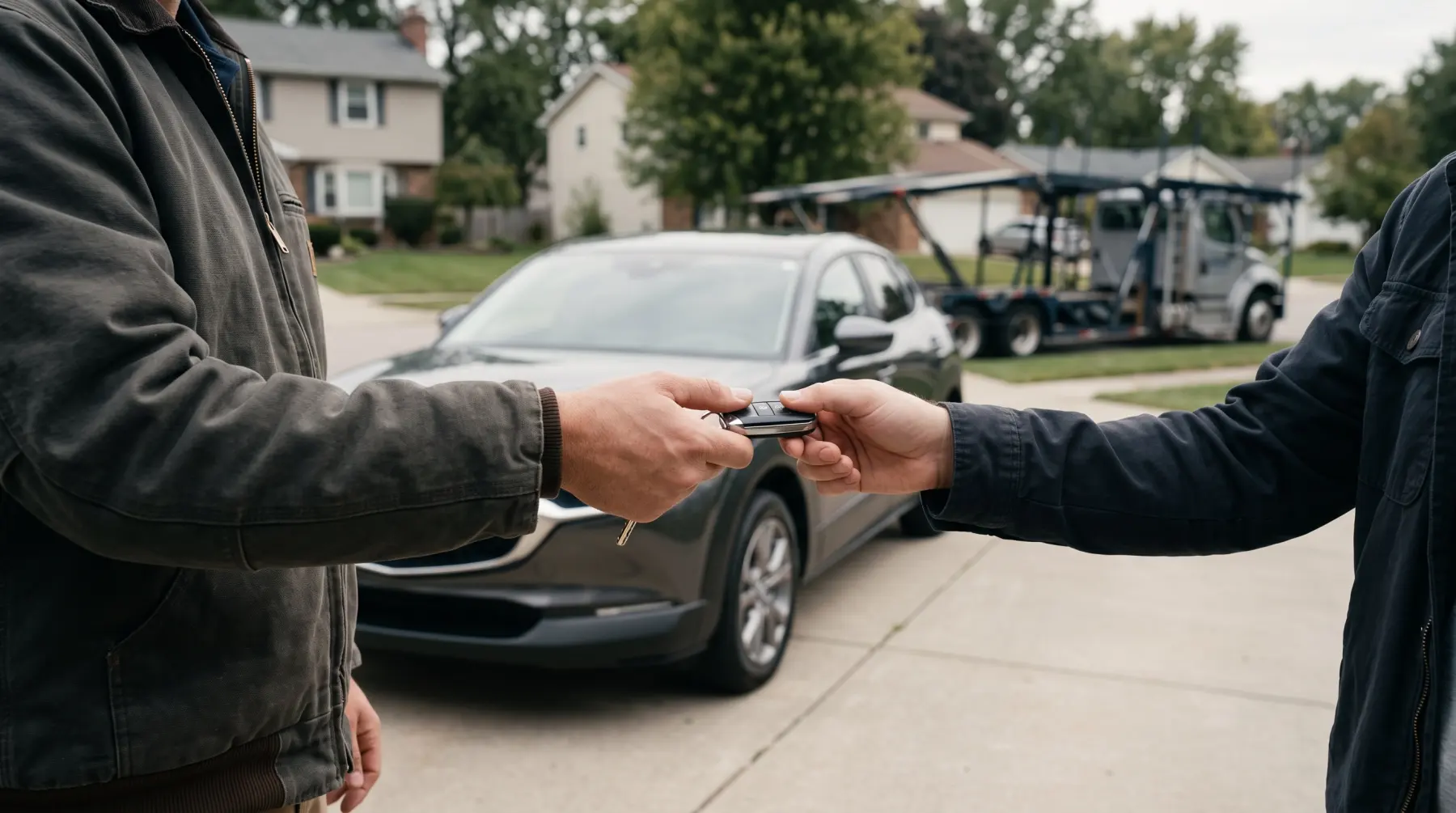
The driver calls ahead, usually the day before and again a few hours out. At the car, the driver walks around it with you or the person you named, records its condition on the bill of lading, photographs it and signs the report with you. The inspection takes 10 to 15 minutes. Then the car is loaded and on its way, and an email tells you it has been picked up. The photos and the signed bill of lading appear on your order page.
If dispatch takes longer
Most cars are taken within the window. When one is not, it is usually because the pickup is far from the interstate, the season is quiet on that lane, or the rate is below what carriers are taking that week. A coordinator calls you with the reason and the options before the window closes, not after.
The options are a wider window, a different first day, or expedited dispatch, which puts the car in front of carriers first at a higher rate. If a carrier takes the car and then drops it, the delays guide covers what happens next.
 Trustline CarriersLicensed broker · MC 1661496