Getting an auction car home is paperwork and timing. The yard wants payment and a release, the free storage days run out fast, and many cars do not start. This guide covers each.
Pay, then get the release
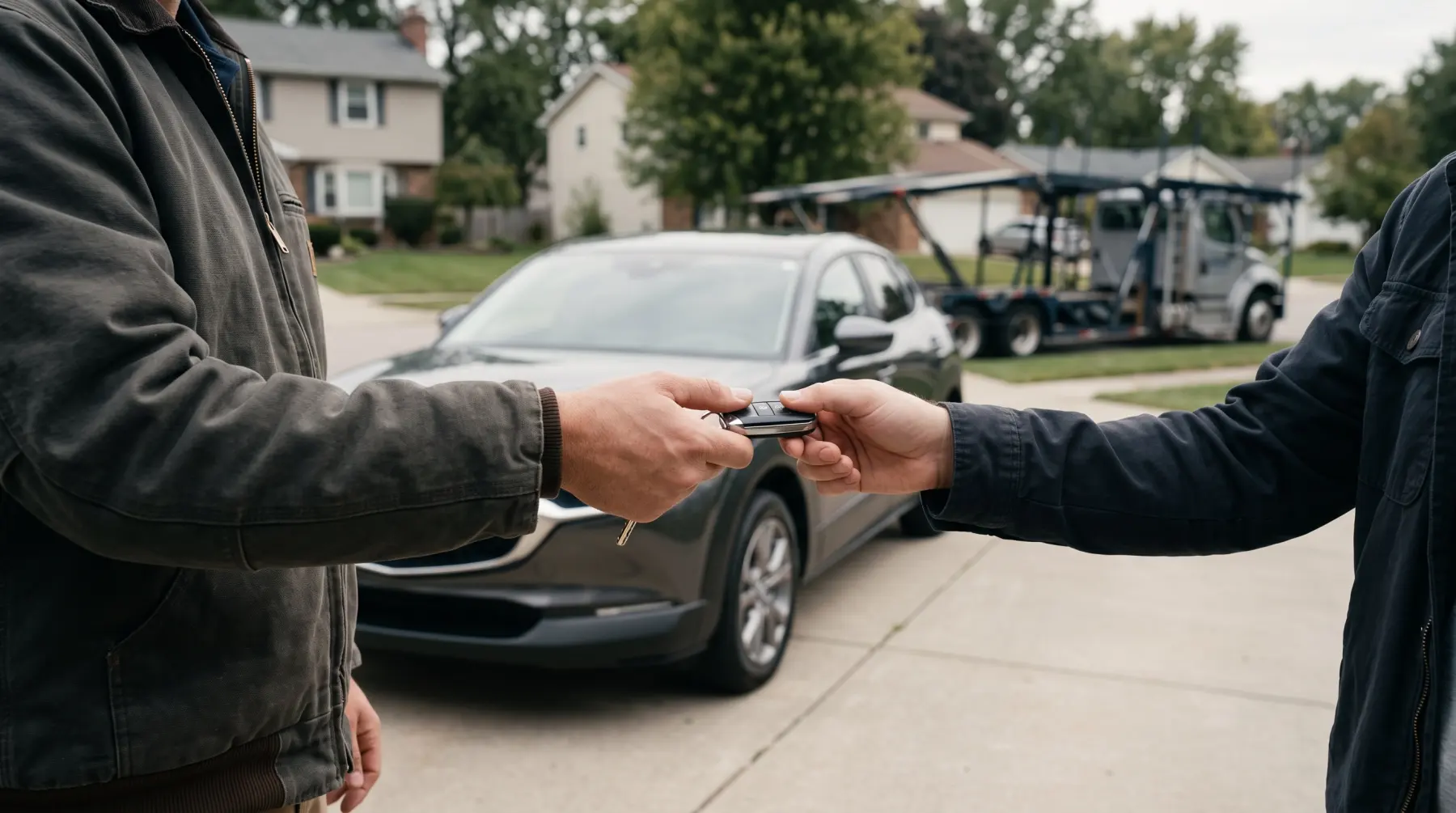
Yards release a car only once it is paid for in full and the driver shows the release, usually with your buyer number and the lot number. Until the invoice is paid, nothing happens, so pay the day you win.
At Copart, each car you win has its own Gate Pass PIN, shown on your Payments Due page and in the win email once payment clears. The driver gives the PIN and the lot number at the gate. At IAA, the release is tied to your buyer account, and you add the transporter to the vehicle in your account or give the driver the release details. At Manheim and the dealer auctions, the gate pass comes from the auction once the car is paid, and some lots will only release to a transporter you have named in advance.
Send your coordinator the release details when you book, and we pass them to the driver with the pickup. If the yard needs the transporter named, we give you the carrier company's name as soon as it is assigned, which the order page also shows.
Storage days
Most yards give a few business days after payment, then charge storage for each day the car stays. The deadline is printed on your invoice or shown on the vehicle in your account, and it is the date to plan around, because storage at a big yard runs to a meaningful figure within a week.
Book transport the day you win, before the payment even clears. That starts the pickup window straight away, and the carriers who run the yard's lane plan their week around it. What we can speed up is the offer to carriers and the paperwork. What we cannot change is the yard's hours or a carrier's route, so if the deadline is 2 days away, say so, and we look at expedited dispatch.
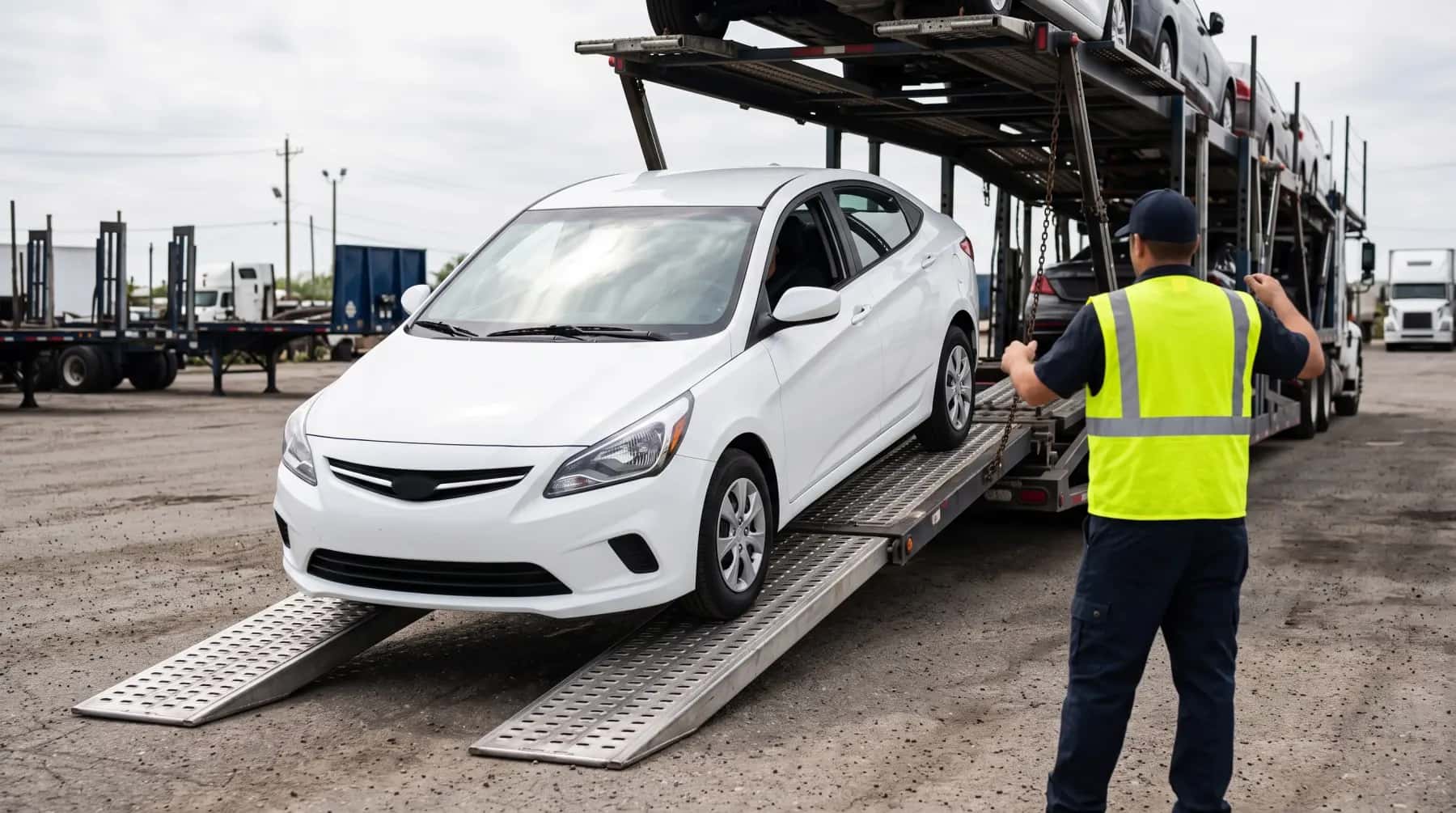
Cars that do not run
Many auction cars do not start. Listings grade them: run and drive, starts, or no start, and a car marked as starting may still not move under its own power. Tell us exactly what the listing says when you book, and whether the keys are present.
A carrier with a winch loads a car that rolls, brakes and steers. If it does none of those, because the wheels are locked or the car has been in a front-end collision, the yard loads it with a forklift and the delivery end needs a plan too, which your coordinator works out with you. A car booked as running that turns out not to run carries a $150 fee under the agreement, so it is cheaper to book it as not running when in doubt.
The yard photos
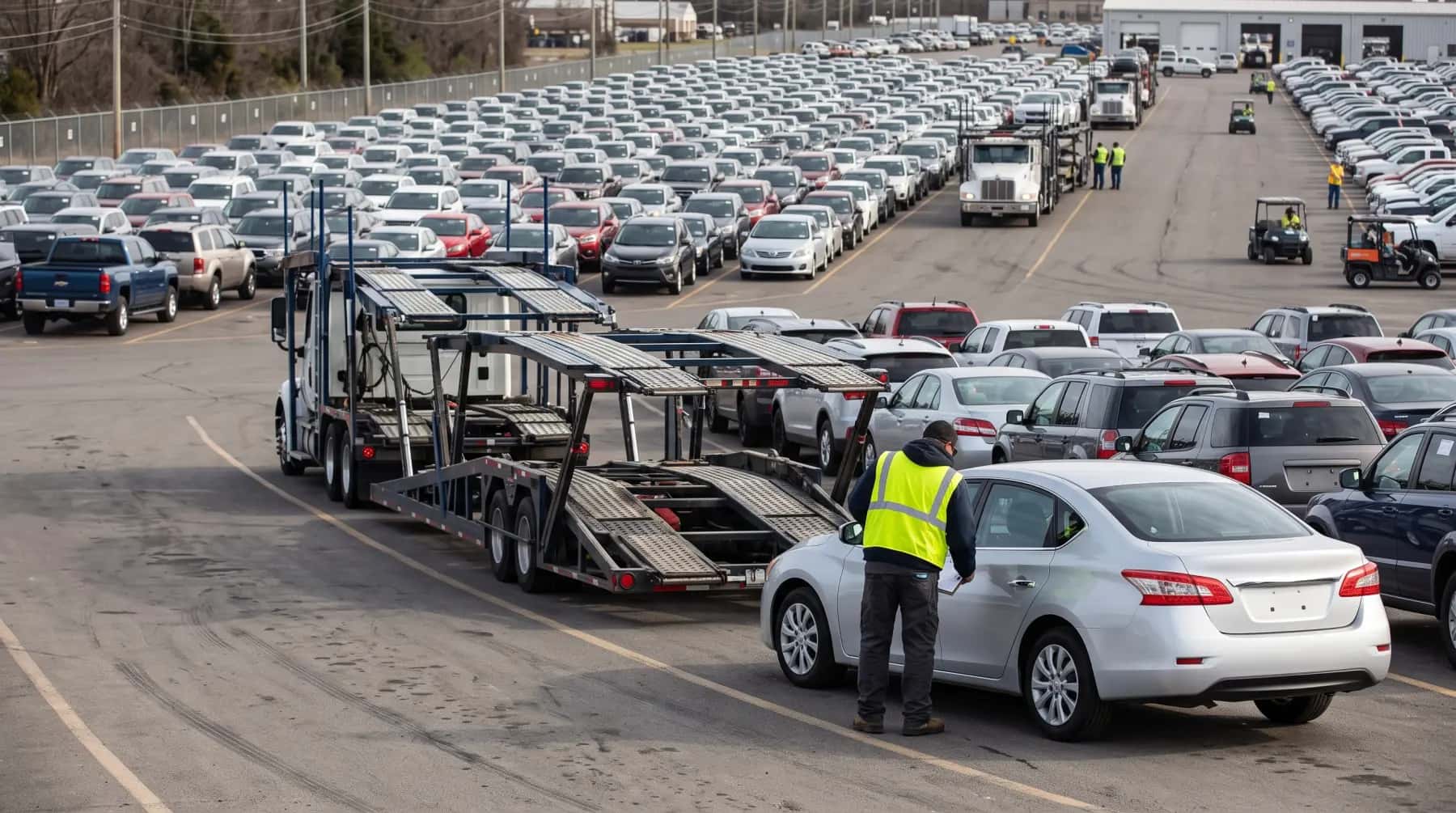
The driver photographs the car at the yard and records its condition on the bill of lading. For many buyers it is the first real look at the car, since the listing photos were taken weeks earlier and from the yard's angles.
Compare the pickup photos with the listing when they land on your order page. If the car has damage the listing did not show, or is missing parts the listing included, that is a dispute with the auction, not the carrier, and the dated pickup photos are your record for it. Raise it with the yard quickly, because most have a short window for condition disputes after the sale.
 Trustline CarriersLicensed broker · MC 1661496