A lender or leasing company holding the title does not stop you shipping the car. What matters is what your contract says about moving it and where it will be registered.
Read your contract first
Look for a clause on relocating the vehicle, changing the garaging address, or taking it out of state. Lease contracts have one more often than loan contracts do. The usual wording asks you to notify the lessor before you move the car to another state, and some ask for written consent if the move is permanent or the car is going abroad.
Loan contracts usually care about one thing, that the car stays insured and the lender stays named on the policy. Moving state means a new policy or an amended one, so tell your insurer and ask them to send the lender the new certificate.
If the contract is silent, a short email to the lender saying where the car is going and from when is enough, and gives you a record. Nobody from Trustline needs to see any of this. It is between you and the lender.
What the driver needs
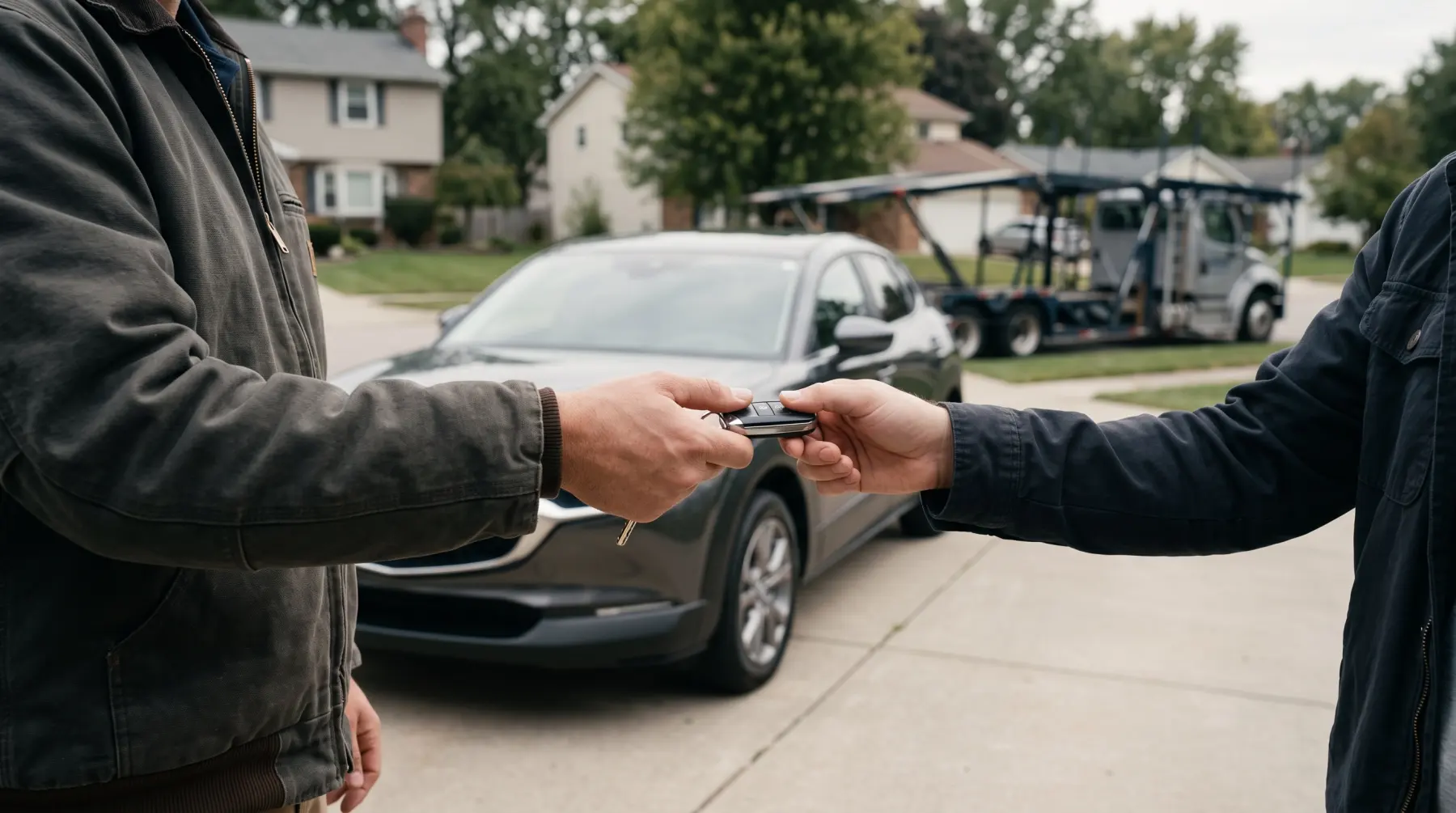
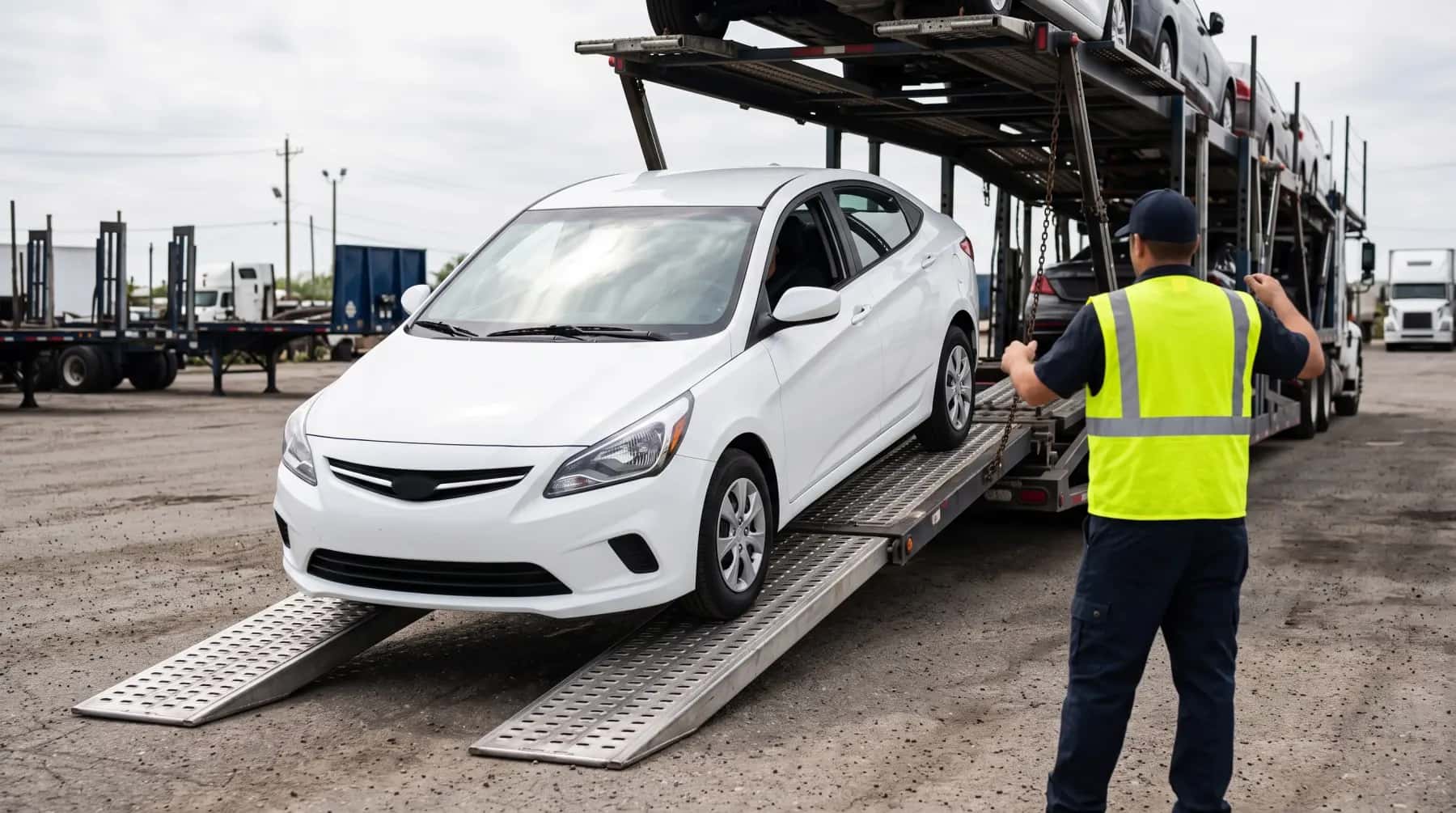
A standard move needs the keys and someone to sign the bill of lading at each end, the same as for a car you own outright. The driver does not ask for the title, and a lender's letter is not needed. Keep the registration and insurance card in the glove box as usual.
The one exception is a lease return delivered straight to a dealer. The dealer may want the return paperwork with the car, so leave it on the passenger seat in an envelope with your name on it, and tell your coordinator so the driver hands it over.
Registering in a new state
If you are moving house, the car will need registering in the new state, and most states give new residents a set number of days to do it. The new DMV will want proof of insurance in that state, the current registration and, because a lender holds the title, either the title itself from the lender or a letter confirming the lien.
Call the lender's title department a few weeks before the move and ask what they send and how long it takes. Some mail the title directly to the new DMV, some send you a lien letter to present. Your new state's DMV website lists what it accepts, and that list is the one to follow, because each state differs.
Shipping a lease return
Returning a lease far from where you live works. Call the leasing company first and ask which dealers accept returns for your brand near where the car is now, or whether you can return it near where you are going. Most allow a return to any dealer of the same brand, but some restrict it.
Book the return inspection with the dealer for a day after the delivery window, not inside it, so a late truck does not cost you the appointment. If the lease ends on a fixed date, ship the car at least a week before it, because a lease that runs over by a day is billed as a month on many contracts. The dealer inspects the car at return, so the driver's delivery photos and the bill of lading are your record of how it arrived.
 Trustline CarriersLicensed broker · MC 1661496